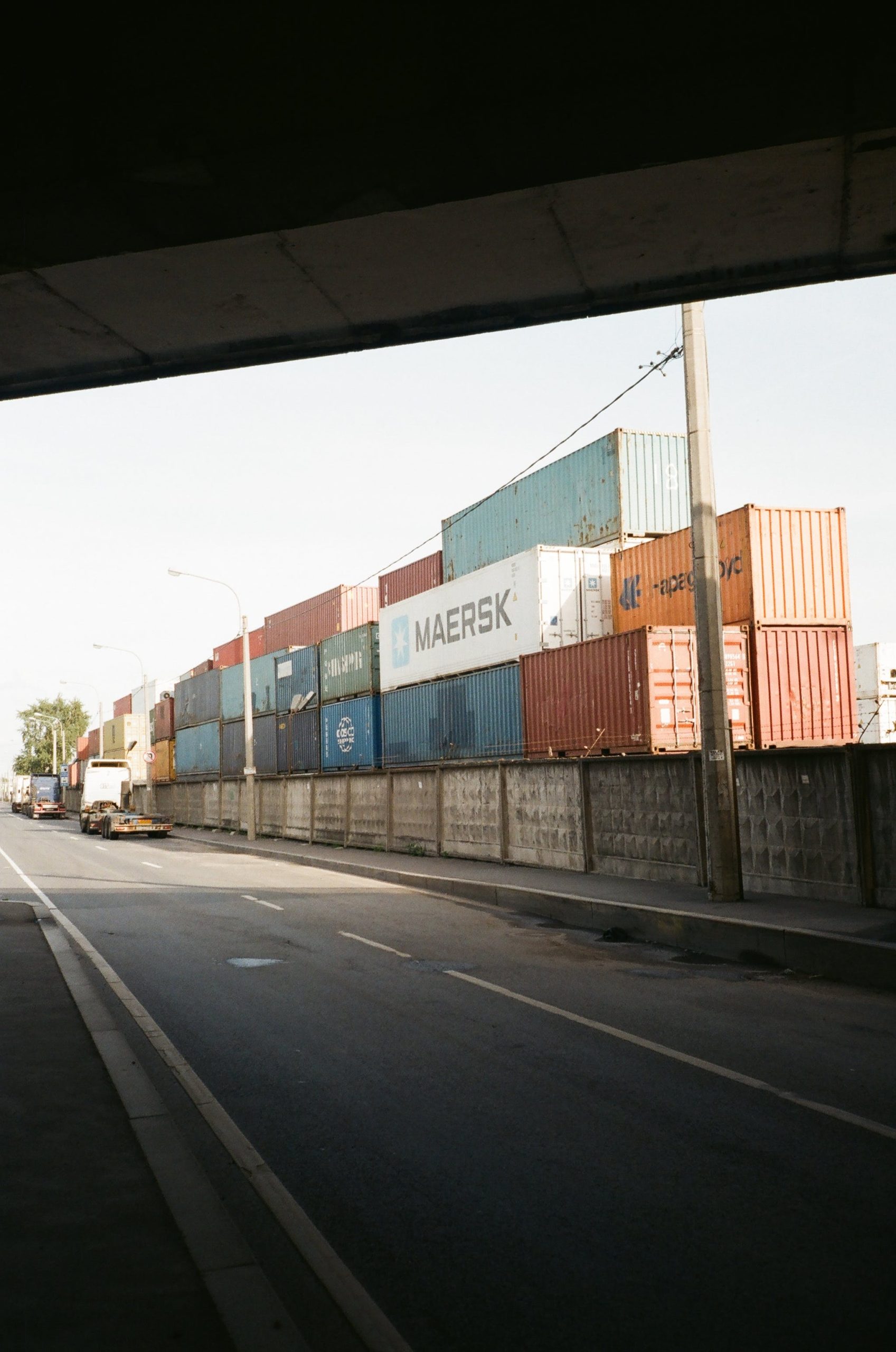
Pre-Shipment Inspection (PSI) is the step where your export transaction gets independently verified before your goods ever leave Nigerian shores. For many first-time exporters, it’s also the most misunderstood step — treated as a bureaucratic checkbox rather than what it actually is: a safeguard that protects you, your buyer, and the integrity of Nigeria’s export data. Here’s how it actually works.
What is Pre-Shipment Inspection?
PSI is conducted under the Nigerian Export Supervision Scheme (NESS), a framework that requires export shipments to be independently verified for quantity, quality, and value before they’re loaded for export. This verification is carried out by Federal Government-appointed Pre-Shipment Inspection Agents (PIAs) assigned to specific regions and product categories across the country.
Why it exists
Before NESS-style inspection regimes existed, Nigeria faced significant challenges with under-invoicing, misdeclaration of goods, and export fraud — all of which undermine both government revenue tracking and the country’s credibility with international trade partners. PSI exists to independently confirm that what’s declared on your documents is actually what’s being shipped, at the value actually being declared.
How the process works, step by step
- You submit your export documentation to your assigned PIA — including your commercial invoice, packing list, CCVO, and NXP details.
- An inspection is scheduled, either at your warehouse/factory or at the port/designated inspection point, depending on the product and logistics arrangement.
- The PIA physically verifies your shipment — checking quantity against your packing list, assessing quality against your declared specifications, and confirming the declared value is consistent with prevailing market rates for that product.
- A Clean Report of Findings (CRF) is issued once everything checks out, confirming your shipment matches your documentation.
- This report feeds into your NXP and customs clearance process — without it, your shipment cannot proceed to loading.
What inspectors are actually checking for
- Quantity accuracy — does the physical shipment match what’s declared on your packing list?
- Quality consistency — does the product meet the grade/specification declared, especially relevant for agricultural commodities where grading affects value?
- Value verification — is your declared value consistent with genuine market pricing, not artificially inflated or deflated?
- Documentation consistency — do your invoice, CCVO, and NXP all tell the same story?
Common issues that delay inspection
Scheduling too late. Some exporters try to book inspection right before their shipping deadline, leaving no buffer if issues are found. Build inspection into your timeline with room for a re-check if needed.
Value or quantity discrepancies. If what’s physically present doesn’t match what’s declared — even due to an honest packing error — expect the inspection to flag it and require correction before it proceeds.
Incomplete documentation at the time of inspection. Inspectors need your full document set to properly cross-check your shipment. Arriving with partial paperwork just pushes the inspection date back.
Product not meeting declared grade. For agricultural exports especially, quality grading disputes are common — what you consider “grade A” and what meets the buyer’s and inspector’s standard may differ. Get an informal quality check before formal inspection if you’re unsure.
Who are the PIAs?
PIAs are appointed by the Federal Government to specific regions and product mandates across Nigeria’s export corridors — this is precisely the kind of regulatory role that manages compliance oversight for exporters within a given territory, working within the broader NESS framework alongside NEPC, Customs, and the CBN.
How this connects to the rest of your export process
PSI doesn’t happen in isolation — it’s downstream of your NXP application and directly upstream of customs clearance and shipping. Get it right, and your shipment moves smoothly from inspection to port to vessel. Get your documentation inconsistent going in, and PSI is often where those inconsistencies surface — at the point where they’re most costly to fix.
Bottom line
Think of PSI not as an obstacle, but as a checkpoint that catches problems before they become a rejected shipment at your buyer’s port of destination — which is a far more expensive place to discover a discrepancy.
Need help navigating this process?
Refod Global works closely with Pre-Shipment Inspection processes and can help you prepare documentation that sails through inspection the first time, avoiding costly delays. [Get in touch] to get your shipment inspection-ready before you book.